Why Your Toilet Keeps Running
Your toilet keeps running because a valve or a seal has failed, and the fix is straightforward once the faulty part is named. This guide works through the three causes, a simple dye test, and the line between home owner repairs and the work of a licensed plumber.
If we're late, $100 comes off your bill

- Licensed and InsuredEvery job done by a licensed plumber. QBCC No: 15024607
- Fixed Quote FirstFlat-rate pricing, agreed before any work starts
- Lifetime Labour WarrantyBacked by our Fix-It-or-It's-Free guarantee (T&Cs apply)
- $0 Call-Out FeesNo extra charge for nights, weekends or public holidays
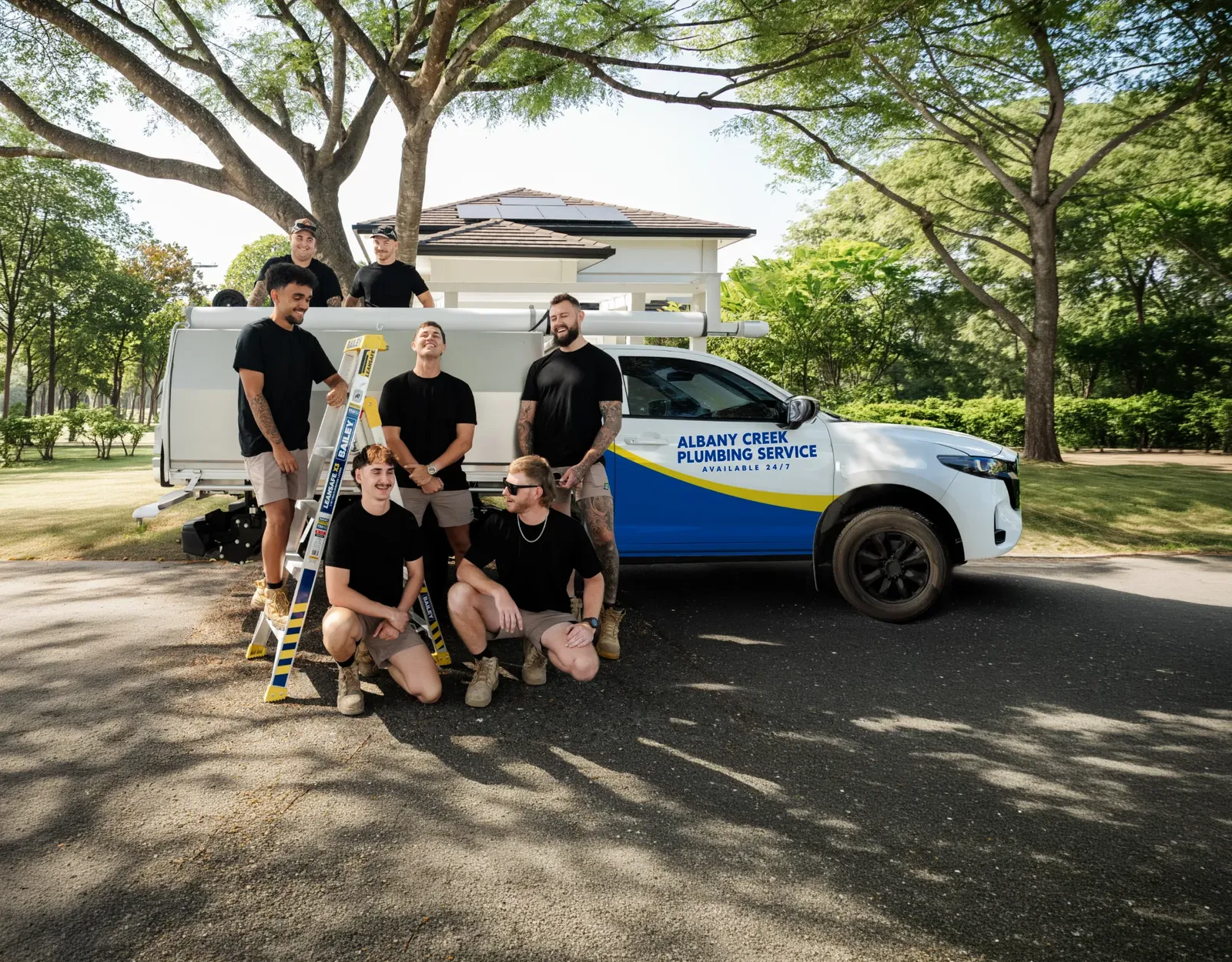
Albany Creek's housing went up in waves from the 1960s through to the 2000s, so plenty of cisterns around Albany Creek still run on valves their era never upgraded. Albany Creek Plumbing Service wrote this page for the suburb's owners and renters.
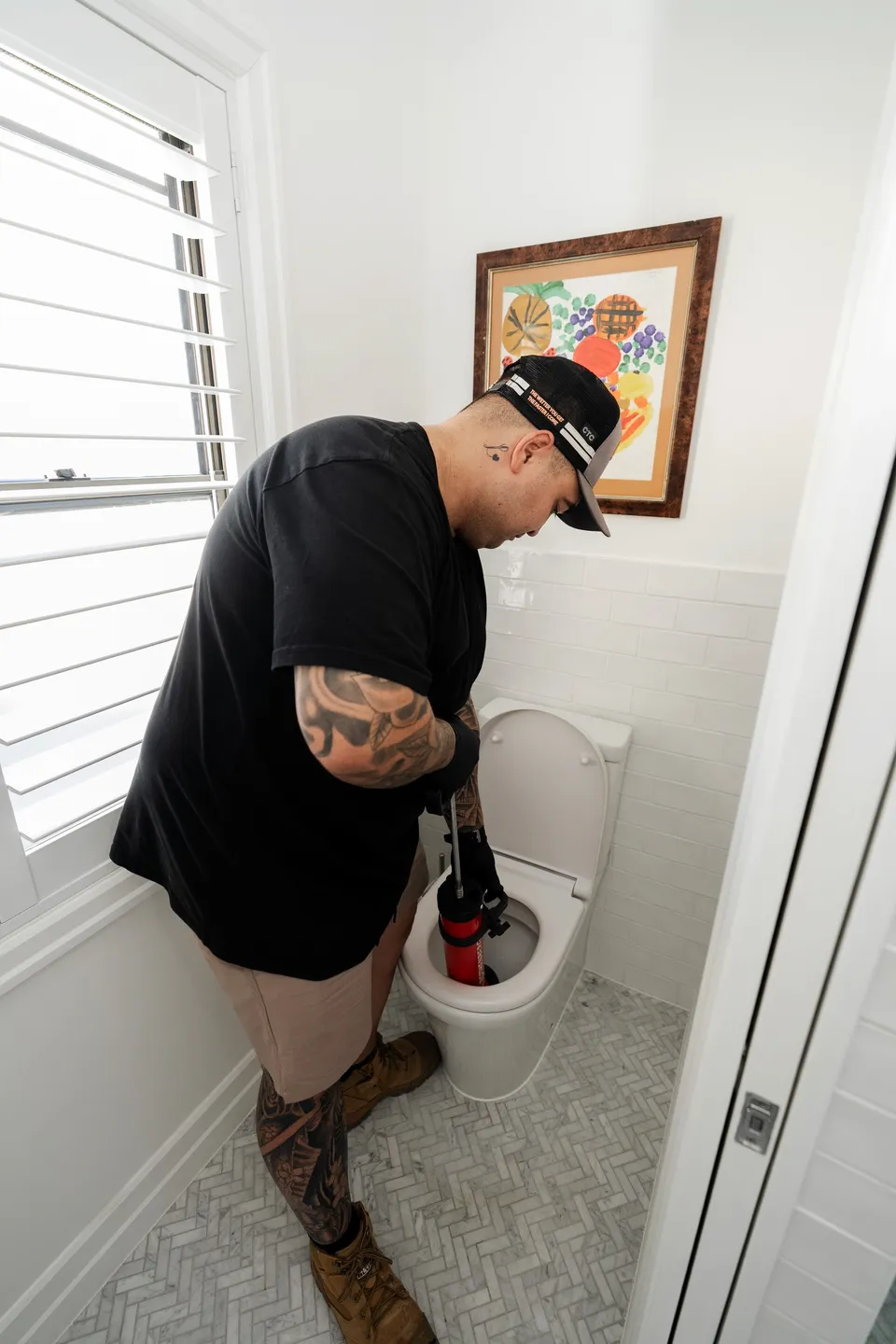
Inlet Valve, Flush Valve Seal and Overflow Explained
Three faults sit behind a running toilet: an inlet valve that never closes, a flush valve seal leaking into the pan, and a water level spilling down the overflow.
After a flush, an inlet valve refills the cistern and shuts off once the float reaches its mark. A valve worn or jammed keeps filling instead, and a hiss or a trickle carries on long after the flush has finished.
The flush valve (the outlet valve) keeps the stored water in the cistern between flushes. Once its seal wears, water seeps into the pan, so the inlet valve keeps topping up and the toilet runs.
The overflow works as a safety exit, carrying surplus water away instead of letting it spill onto the floor. Water dripping from the overflow pipe outside points to a cistern filling past its set level, so the inlet valve or the float needs attention.
Plenty of local cisterns predate the suburb's Moreton Bay library, which opened in 2000, and the oldest go back further still. Age alone doesn't condemn a cistern, but it does raise the odds of a worn seal.
When the Cistern Will Not Fill
An empty cistern usually traces to an inlet valve worn or jammed, a float that never rises high enough, or a partly closed stop tap.
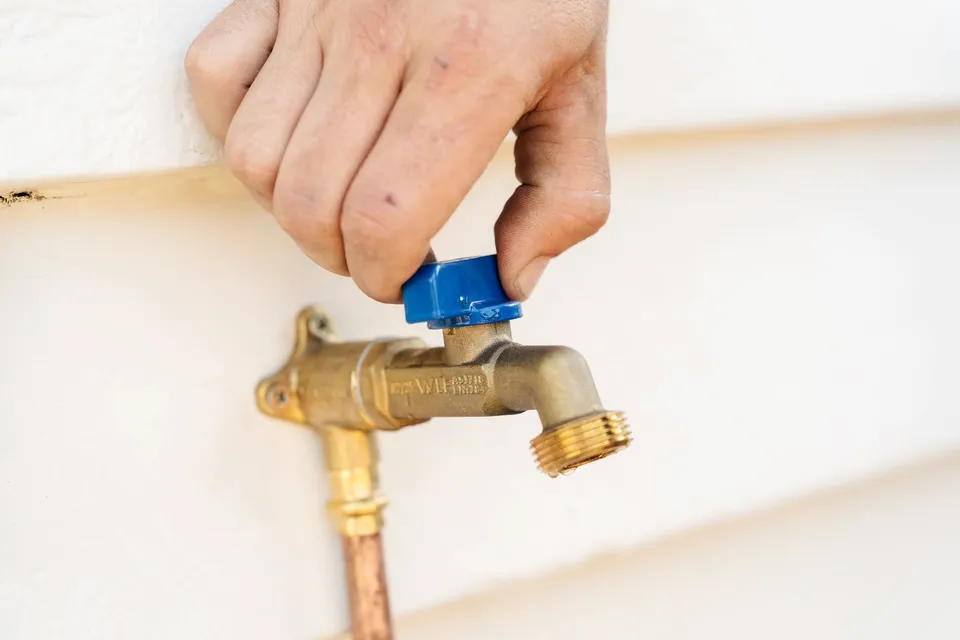
The stop tap is the easy one to rule out. The small tap on the supply line sometimes gets knocked half shut, and a quarter turn restores the flow. A float sitting under its mark closes the inlet valve before enough water has entered.
There is a trickier version of this fault. If water runs yet the level never rises, the flush valve seal is letting water out as fast as it comes in.
The Dye Test for a Leaking Cistern
The test needs several drops of food colouring stirred into the cistern, then a wait with no flushing:
- Colour reaching the bowl, with nothing flushed, means water is slipping past the flush valve seal into the pan.
- A clear bowl tells you the flush valve holds firm, so the inlet valve and the water level come next.
- Flush once you have the answer, because ceramic won't hold a mark from the colouring.
No colouring at home? Rest a piece of dry toilet paper on the back wall of the pan, above the waterline. Any dampness means a slow trickle is running down that wall.
Where Home Owner Toilet Repairs Stop
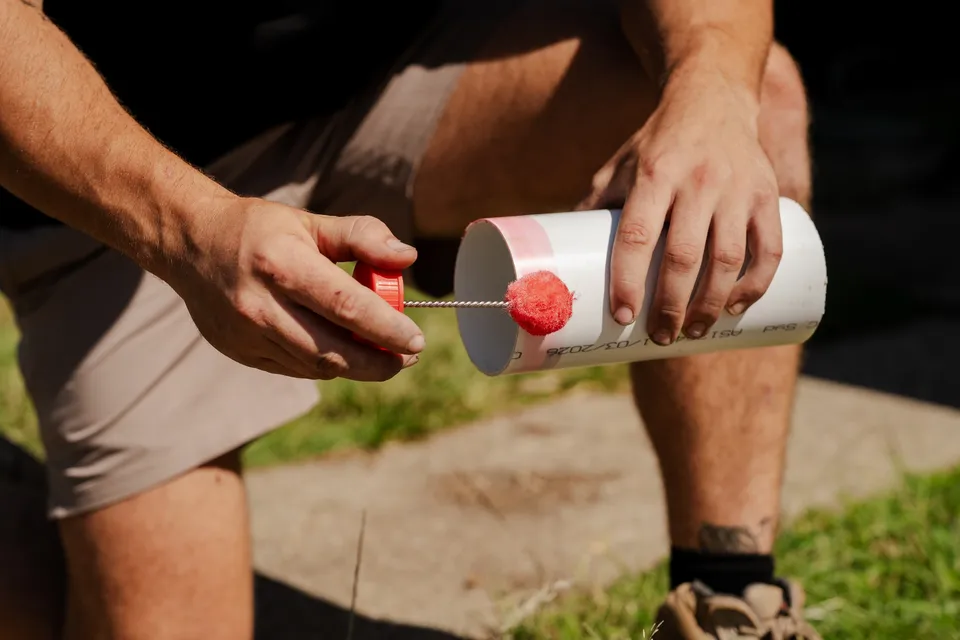
Three cistern parts sit on the QBCC's unregulated list: the drop valve washer, the float valve washer and the suction cup rubber. A person who has the knowledge and skill may repair or replace them, and the result still has to comply with the standards.
No licence, approval or report is required for those three. Everything else on a toilet is minor work that Queensland reserves for a QBCC licensee, with neither a permit nor a Form 4. We give no repair steps here on purpose, because a cistern opened wrong floods a bathroom fast.
Rentals add two duties. Queensland tenancy law puts the owner or manager in charge of keeping the place maintained, and the tenant reports faults as they appear. The Act's emergency list names a toilet that's blocked or broken, not one that merely runs, so the fix is routine and happens in a reasonable timeframe.

Who Pays for Water a Cistern Wastes
No, it will not. Unitywater's concealed leak allowance leaves out water a cistern wastes, along with leaking taps, hot water systems and other water appliances.
The property owner fronts both the repair and the bill for the wasted water. That makes a running cistern worth acting on quickly, because the meter keeps turning while the fault runs.

When to Call a Plumber
Call when the hiss continues after refilling, when the cistern tops itself up between flushes, or when the dye test shows colour in the bowl. Water dripping from an outside overflow pipe counts too. Our toilet repairs team handles valve and seal replacements across the suburb, with a fixed quote before any work starts.
Running Toilet Questions
Call (07) 3524 7137How do I check my cistern for a silent leak?
Yes, the check is quick. Add a few drops of colouring to the cistern water, wait without flushing, and watch the bowl. Colour appearing in the bowl means a leak, so flush afterwards; the dye leaves no stain on ceramic.
Can I fix a running toilet myself in Albany Creek?
Yes, for three cistern parts only: the drop valve washer, the float valve washer and the suction cup rubber. The QBCC treats these as unregulated work for a person with the knowledge and skill, and the result still has to comply with the standards. Every other toilet job is minor work for a QBCC licensee.
Will Unitywater cover a running toilet in Albany Creek?
No, it will not. Unitywater's concealed leak allowance leaves out water a cistern wastes, along with leaking taps, hot water systems and other water appliances. The property owner fronts both the repair and the bill for the wasted water.
What does fixing a running toilet cost?
Two things drive the price: which part has failed, and how reachable the cistern and its stop tap are. A cistern squeezed into a tight corner takes longer to open than one with clear space around it. A fixed quote before any work starts settles the figure.

Ring Us About the Running CisternWe'll call you back.
Ring (07) 3524 7137 and tell us what's wrong. You get $0 call-out fees, a fixed quote before any work starts and same-day where we can, 7 days a week.
To claim your $0 call-out fee, call (07) 3524 7137 today.