Gas Leak Repairs in Albany Creek
Smelling gas indoors is a stop-everything fault, and the fix belongs to a licensed gasfitter. Gas leak repair in Albany Creek is exactly that work: make the system safe, find the escaping fuel, repair it and retest. Every job is done by a licensed plumber, and you see a fixed quote before any work starts.
If we're late, $100 comes off your bill

- Licensed and InsuredEvery job done by a licensed plumber. QBCC No: 15024607
- Fixed Quote FirstFlat-rate pricing, agreed before any work starts
- Lifetime Labour WarrantyBacked by our Fix-It-or-It's-Free guarantee (T&Cs apply)
- $0 Call-Out FeesNo extra charge for nights, weekends or public holidays
If you can smell gas right now, act first:
- Turn the gas appliance off.
- Open doors and windows.
- Don't flick any switch on or off, and no flames.
- If the smell doesn't fade, close the gas at the meter or bottle, then call (07) 3524 7137 from outside.
- Call 000 if you can still smell it once the supply is off.
Fuel gas is highly flammable, and a closed room that fills with it can displace oxygen, bringing on nausea, dizziness and, in the worst case, asphyxiation. That's why the safety steps come first and the repair comes second. For the wider range of gas work, see our gas fitting page, or head back to the Albany Creek home page for everything else we do.
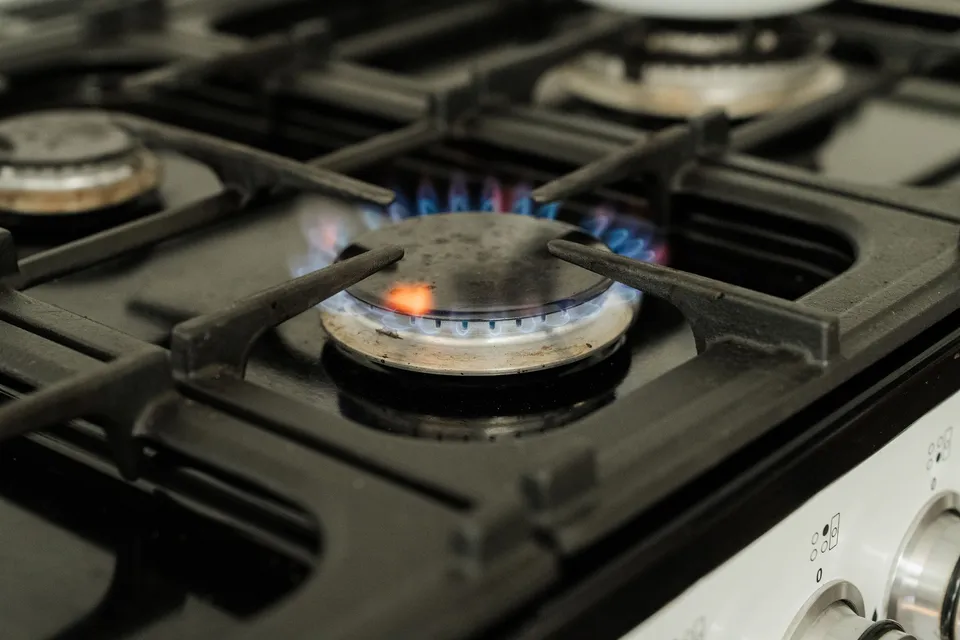
Testing a Gas System for Leaks
The gasfitter shuts off the supply, isolates the pipework section by section, pressure-tests each section, then checks fittings with a detergent mix until bubbles mark the leak. That order matters: a whole-system test tells you gas is escaping, while section-by-section testing tells you where.
The Queensland Government also describes a check householders can run. With the gas on, lightly spray a detergent-and-water mix on the meter or cylinder fittings, the connection pipes, the regulator hose and the connection point. Bubbles mean gas is escaping: note the spot, turn the supply off and contact a licensed gasfitter.
Queensland law classes the repair and the retest as gas work, and gas work is licensed work. A householder's check can locate a leak, never fix one.
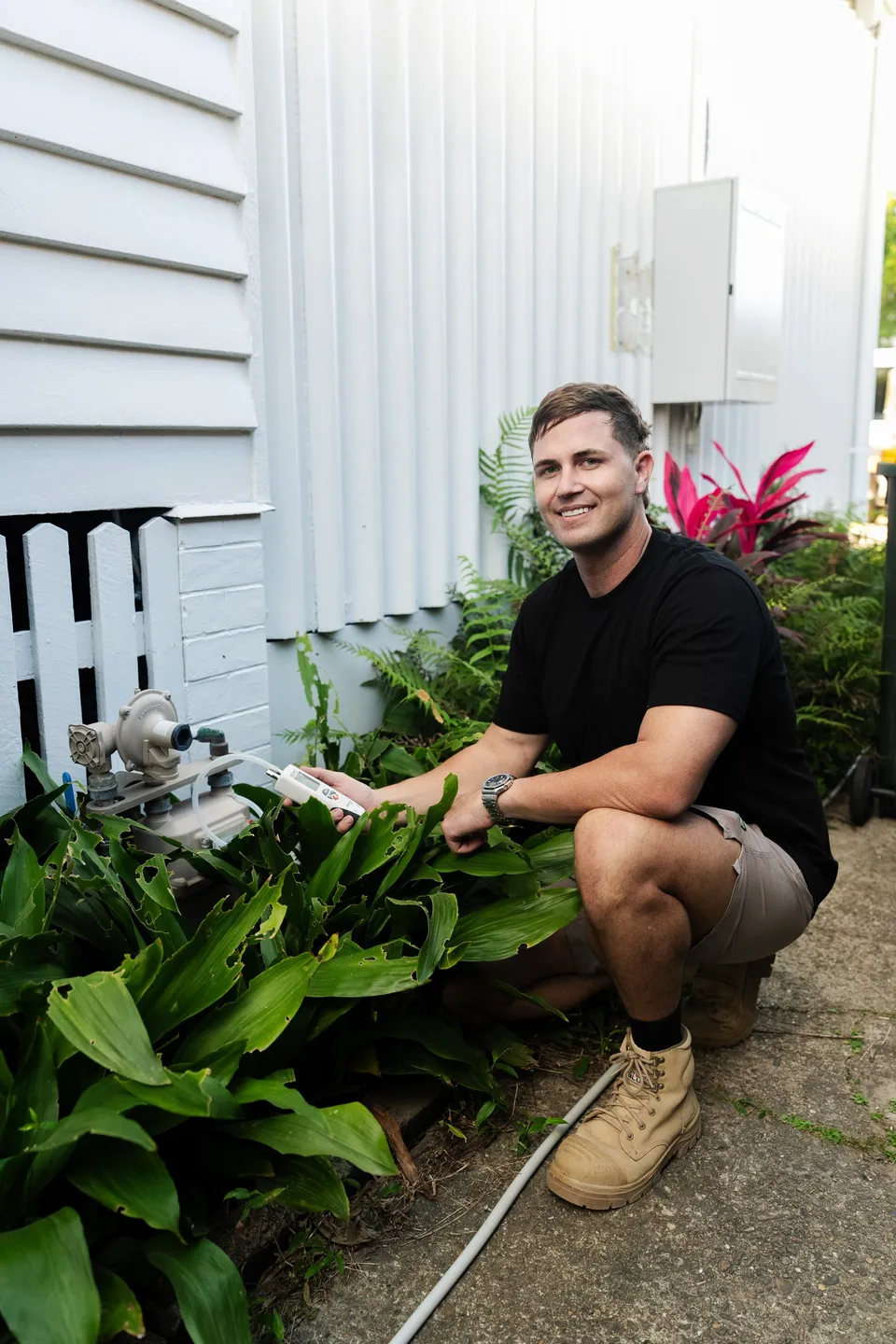
Paperwork After a Gas Leak Repair
The paperwork splits two ways: a defect notice when a safety concern is left unfixed, and a compliance certificate when the job amounts to installing or altering the gas system.
Queensland gas work rules require a gasfitter who spots a safety problem on a system being worked on to tell the owner or operator in writing. Fix the problem during the visit, through proper gas work, and no notice is needed.
If the risk of harm is imminent, safety comes first and the calls follow: the gas network operator, then the state gas inspectorate.
A compliance certificate follows a gas system installation or alteration, issued on completion to certify the work complies. A one-fitting swap may not reach that threshold, so the paperwork depends on the repair's scale. Our gas compliance certificates page covers the details.
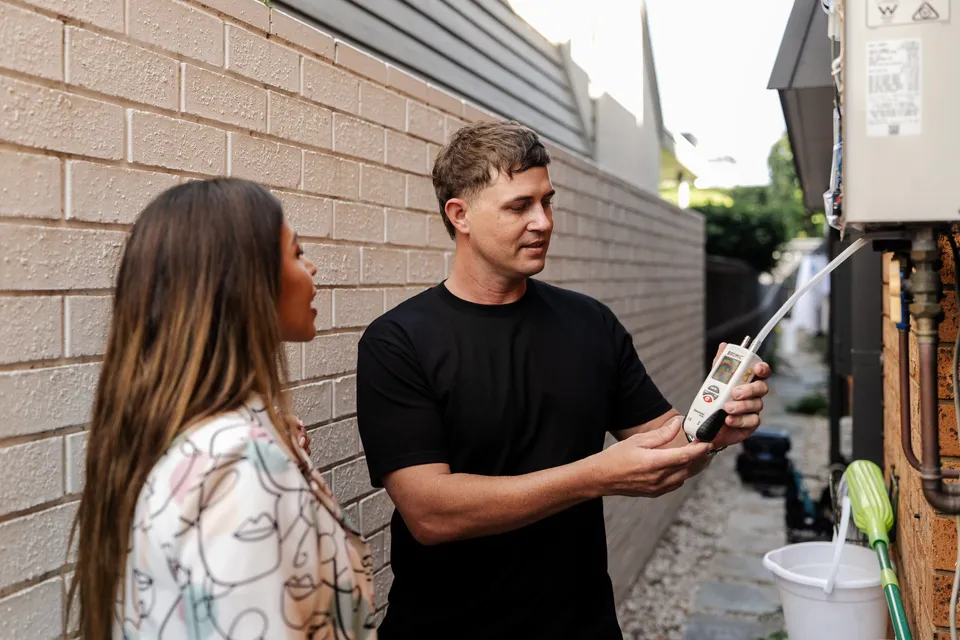
How a Gas Leak Gets Repaired
A licensed gasfitter does the repair, and the approach grows with the fault: a fitting or regulator swap, an accessible pipe section renewed, or a reroute around an unreachable run.
The three options break down like this:
A fitting or regulator swap
suits a leak at a joint, a valve or the regulator itself, and it's usually the quickest fix.
An accessible section renewal
suits a stretch of pipe that's corroded or damaged but within reach.
A reroute
suits pipework buried in a wall or under a floor, where digging it out costs more than going around.
After the repair, the whole system is pressure-tested again before the fuel returns. Neither the repair nor the retest is ever the householder's job.
Where Gas Leaks Usually Start
Trace a leak from the supply inward: bottle or meter connections first, then the regulator assembly and hose, then pipe joints, and finally the appliance connection.
Each point fails in its own way:
Bottle or meter connections
loosen or corrode where the fuel enters the property.
The regulator assembly and hose
crack with age and sun exposure.
Pipe joints
weep after years of heating and cooling.
The appliance connection
works loose when a cooker or heater is shifted or cleaned.
A safety check also flags rust, decay and damage anywhere on the gas system and every appliance it feeds, since leaks grow out of those conditions. Outdoors, the two fuels part ways: natural gas rises and disperses, while LPG sinks and can collect in low spots such as drains.
Gas Systems Across the Suburb
Albany Creek grew by 4.2 per cent over the five years to the last census counts, on top of a housing stock that mostly went up between the 1960s and the 2000s. Area-level approvals added 114 dwellings in 2021-22 alone, so the suburb mixes fresh connections with systems that have been in service for decades.
That mix matters for gas. Older homes within reach of the library on Ferguson Street can carry regulators and pipework installed a generation ago, and corrosion doesn't announce itself until a smell does. Newer builds more often need attention at the appliance connections, which work loose more readily than the pipework does.
If the leak traces back to an appliance itself, our gas cooktop installation page covers replacements, and gas bayonet installation covers the outdoor points.
How Your Gas Leak Repair Runs
- 1

Get in touch
Call (07) 3524 7137 or send a quick message about the job in Albany Creek, and we'll ask what we need to know.
- 2

Make the system safe and find the leak
We shut the gas off, isolate and pressure-test the pipework, then trace the escaping fuel to its exact fitting. You'll hear what we found in plain words before anything is touched.
- 3
Sign off the quote
You'll see a fixed quote before any work starts, with flat-rate pricing and no hidden fees. The job starts when you're happy with it.
- 4

Pay once it's done
Pay by card or EFTPOS on site after the work's finished, or choose Fix now, pay later.
Plumbing job in Albany Creek?
$0 call-out fees, available 24/7, and same-day where we can.
Gas Leak Questions Answered
Call (07) 3524 7137Is it safe to stay in the house if I can smell gas?
No, treat a gas smell as urgent and get everyone outside. Turn the appliance off, open doors and windows, and leave every flame and switch alone. If the smell hasn't faded, close the gas at the meter or bottle, ring (07) 3524 7137 from outside, and call 000 if it lingers.
How does a gasfitter find a gas leak in Albany Creek?
By isolating sections of the pipework and pressure-testing each one to see which section loses pressure. Fittings in the losing stretch then get a detergent check, and bubbles mark the exact point. The repair follows from there.
Where do gas leaks usually start in a home?
Most start at the connections: the bottle or meter end, the regulator and hose, the pipe joints, or where the appliance hooks on. Corroded or damaged parts anywhere on that path are the usual culprits.
Does LPG behave differently from natural gas in a leak?
Yes, the two fuels move differently once they escape. Natural gas floats upward, so a leak tends to rise and disperse outdoors. LPG weighs more than air and can settle in low spots such as drains.
What should I do about gas after a storm or flood in Albany Creek?
Call 000 immediately if you can smell gas. If a meter, regulator or cylinder has been damaged, contact the gas supplier, whose emergency number sits on your bill. Leave the system alone until a licensed gasfitter has checked and retested it.

Ring Us About the LeakWe'll call you back.
Ring (07) 3524 7137 and tell us what's wrong. You get $0 call-out fees, a fixed quote before any work starts and same-day where we can, 7 days a week.
To claim your $0 call-out fee, call (07) 3524 7137 today.